Runway to Reality: 2026 Fashion Week Themes for US Wardrobes
Advertisements
The 2026 fashion week themes are significantly influencing everyday US wardrobes, translating high-fashion concepts like ‘Neo-Romanticism,’ ‘Sustainable Utility,’ and ‘Tech-Infused Apparel’ into accessible and wearable styles for the contemporary consumer.
Fashion is an ever-evolving landscape, a dynamic reflection of societal shifts, technological advancements, and collective aspirations. As we delve into the trends emerging from the 2026 fashion weeks, it’s clear that the lines between haute couture and daily wear are blurring more than ever. This article explores how 2026 fashion week themes are not just gracing the runways but are actively translating into the everyday wardrobes of consumers across the United States, offering accessible interpretations of high-fashion concepts.
The rise of Neo-Romanticism: soft silhouettes and nostalgic charm
The first major trend making waves from the 2026 fashion weeks is Neo-Romanticism. This movement reinterprets historical romantic aesthetics through a modern lens, moving beyond mere vintage revival to create something entirely fresh yet deeply familiar. It’s about embracing softness, fluidity, and an ethereal quality in clothing, a stark contrast to the sharp, structured looks that dominated previous seasons.
Neo-Romanticism manifests in various ways, from delicate fabrics to intricate detailing. Designers are using sheer overlays, subtle ruffles, and flowing silhouettes to evoke a sense of gentle drama and timeless elegance. The color palettes are often muted, featuring pastels, creams, and soft earth tones, creating a harmonious and calming visual experience.
Key elements of Neo-Romantic style
Understanding the core components of Neo-Romanticism helps in identifying how these runway looks are being adapted for daily wear. It’s not about dressing in period costumes, but rather integrating key stylistic cues.
- Flowing fabrics: Think silks, chiffons, and lightweight cottons that drape elegantly rather than cling tightly.
- Soft color palettes: Lavender, sky blue, mint green, blush pink, and ivory are prevalent, offering a gentle aesthetic.
- Subtle embellishments: Delicate lace, embroidery, and small ruffles add texture and interest without overwhelming the design.
- Relaxed silhouettes: Oversized blouses, empire waist dresses, and wide-leg trousers promote comfort and freedom of movement.
For the average US consumer, this translates into easily wearable pieces like oversized linen shirts, midi skirts with soft pleats, and blouses featuring subtle puff sleeves. The key is to select items that offer a touch of whimsy and elegance without sacrificing practicality. Layering sheer tops over simple camisoles or pairing a romantic blouse with tailored trousers are common ways this trend is adopted.
Sustainable utility: functional fashion with an eco-conscious core
Another dominant theme from the 2026 fashion weeks is Sustainable Utility, a trend that marries practicality with a strong commitment to environmental responsibility. This isn’t just about using recycled materials; it’s a holistic approach to design, production, and consumption that prioritizes longevity, versatility, and minimal environmental impact.
Designers are showcasing garments that are not only durable and multi-functional but also traceable in their origins and ethically produced. This theme reflects a growing consumer demand for clothing that serves a purpose beyond mere aesthetics, contributing to a more conscious lifestyle. The aesthetic often leans towards minimalist designs, earthy tones, and robust construction.
Innovations in sustainable utility apparel
The push for sustainability has spurred significant innovation in textile technology and design practices within this segment. Consumers are now seeking out brands that offer transparency and genuine commitment to eco-friendly processes.
- Recycled and upcycled materials: Advanced textiles made from ocean plastic, industrial waste, or repurposed garments.
- Modular designs: Garments with detachable elements (hoods, sleeves, pockets) that allow for versatile styling and extended wear.
- Natural dyes and finishes: Utilizing plant-based dyes and non-toxic treatments to reduce chemical impact.
- Durability and repairability: Focus on high-quality construction and designs that are easy to mend, extending product life.
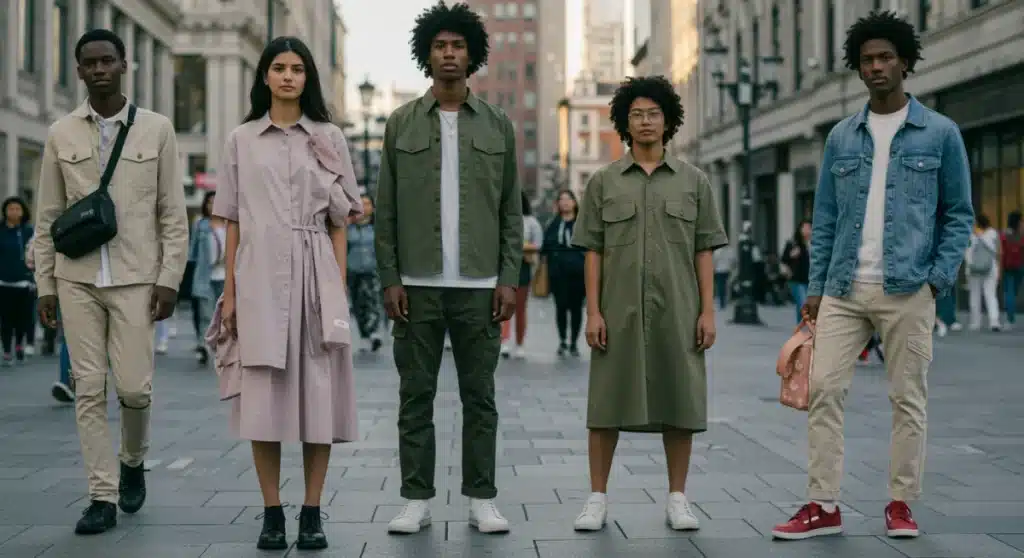
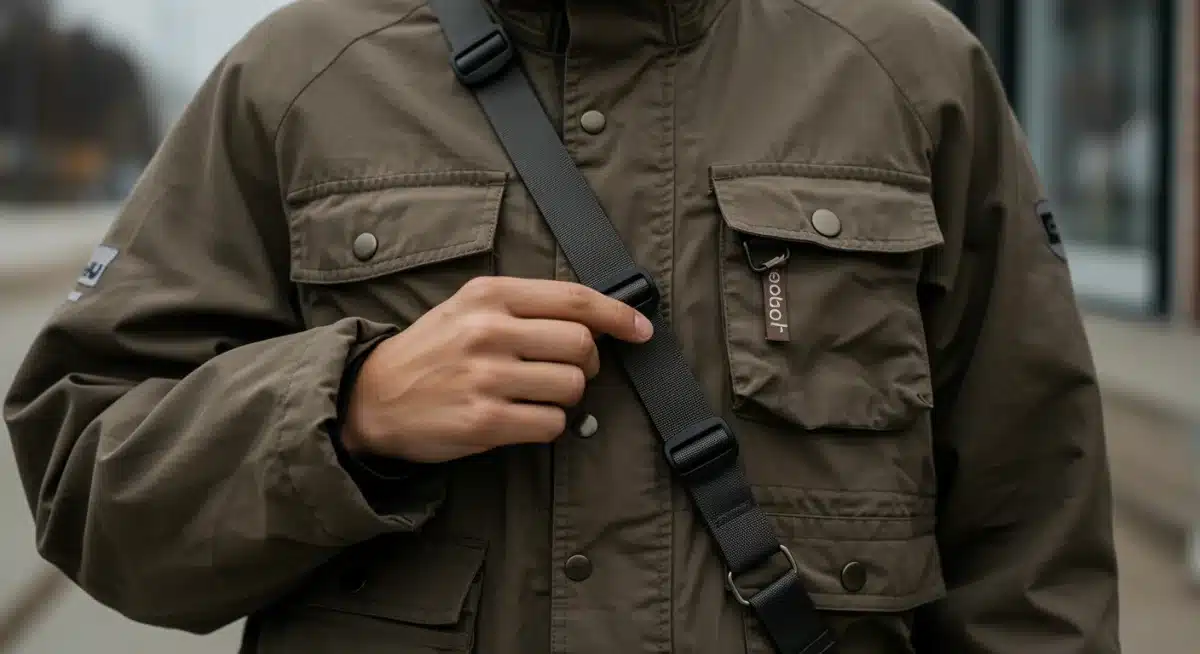
In everyday US wardrobes, Sustainable Utility translates into practical yet stylish pieces like cargo pants made from organic cotton, jackets with multiple functional pockets crafted from recycled polyester, and versatile knitwear that can be dressed up or down. Consumers are increasingly looking for investment pieces that align with their values, opting for quality over quantity. Brands like Shein4All are responding by highlighting collections that emphasize both style and sustainability, making these trends accessible to a broader audience.
Tech-infused apparel: integrating innovation into daily wear
The third major trend emerging from the 2026 runways is Tech-Infused Apparel, which explores the integration of technology directly into clothing. This goes beyond smartwatches and fitness trackers; it involves textiles that can regulate temperature, fabrics that charge devices, and garments designed with ergonomic principles for enhanced comfort and performance.
This trend signifies a future where clothing is not just a protective layer or a fashion statement, but an active participant in our daily lives, offering functional benefits through integrated technology. The aesthetic often features clean lines, metallic accents, and a futuristic yet understated appeal. The focus is on seamless integration, where technology enhances usability without overtly dominating the design.
Practical applications of tech-infused fashion
While some runway pieces might seem avant-garde, the translation to everyday wear focuses on practical, subtle integrations that genuinely improve the wearer’s experience. The goal is to make life easier and more comfortable through intelligent design.
- Temperature-regulating fabrics: Materials that adapt to body temperature, keeping the wearer cool in heat and warm in cold.
- Integrated charging pockets: Discreet pockets lined with conductive fabric to wirelessly charge small electronic devices.
- Ergonomic designs: Apparel engineered for optimal movement and support, often seen in activewear but extending to casual wear.
- Smart textiles for health monitoring: Fabrics woven with sensors that can track vital signs, subtly and comfortably.
For the US consumer, this means finding activewear with advanced moisture-wicking and cooling properties, or casual jackets with discreet internal pockets designed to charge smartphones. The emphasis is on comfort, convenience, and performance, all wrapped in a sleek, modern aesthetic. These innovations are slowly becoming more commonplace, moving from niche high-tech items to accessible features in everyday garments. The subtle integration of metallic threads or reflective elements also adds a futuristic touch without being overly theatrical.
Bridging the gap: how runway trends become street style
The journey from the exclusive runways of Fashion Week to the bustling streets of American cities is a fascinating one, driven by a combination of designer influence, consumer demand, and the accessibility offered by retailers. High-fashion concepts are rarely adopted wholesale; instead, they are distilled, adapted, and reinterpreted to suit diverse lifestyles and budgets. This translation process is crucial for trends to gain widespread traction and truly impact everyday wardrobes.
The initial spark comes from designers pushing boundaries, showcasing their creative vision with little constraint. These avant-garde presentations serve as inspiration, setting the tone for upcoming seasons. However, it is the ready-to-wear collections and, subsequently, fast-fashion retailers and accessible brands that make these ideas tangible for the masses. They take the core essence of a trend – be it a silhouette, a color palette, or a specific detail – and integrate it into more commercial, relatable pieces.
The role of social media and influencers
In 2026, social media platforms continue to play an unparalleled role in accelerating the dissemination of fashion trends. Influencers and style curators act as vital intermediaries, showcasing how runway looks can be styled in practical, everyday contexts. They demonstrate the versatility of emerging themes, offering styling tips and product recommendations that resonate with their followers.
- Visual inspiration: Instagram, TikTok, and emerging platforms provide a constant stream of styled outfits, making trends digestible.
- Accessibility guides: Influencers often highlight affordable alternatives and styling hacks for achieving high-fashion looks on a budget.
- Community engagement: Online communities discuss and interpret trends, fostering a sense of collective style evolution.
- Direct brand exposure: Social media allows brands, both high-end and accessible, to directly showcase how their interpretations fit into daily life.
This digital ecosystem ensures that the inspiration from 2026 fashion weeks quickly permeates various consumer segments. A Neo-Romantic flowing dress might appear on a celebrity at an event, then be reinterpreted by a popular influencer, and finally, a similar-styled, budget-friendly version becomes available at a major retailer. This rapid cycle democratizes fashion, making once-exclusive styles part of the mainstream.
Integrating 2026 trends into your US wardrobe
Successfully incorporating the 2026 fashion week themes into your personal style doesn’t require a complete wardrobe overhaul. It’s about thoughtful integration and choosing pieces that genuinely resonate with your aesthetic and lifestyle. The beauty of these trends lies in their adaptability, allowing for subtle nods to high fashion without sacrificing personal comfort or practicality.
Start by identifying which of the major themes – Neo-Romanticism, Sustainable Utility, or Tech-Infused Apparel – most appeals to you. Perhaps you’re drawn to the soft elegance of romantic designs, or the pragmatic eco-consciousness of utility wear, or the innovative comfort of tech-integrated garments. Once you’ve identified your preference, you can begin to curate pieces that align with that aesthetic.
Practical tips for trend adoption
Making runway trends work for your daily life involves a strategic approach. It’s about selecting versatile items that can be mixed and matched with existing wardrobe staples, ensuring longevity and maximizing utility.
- Start small: Introduce one or two key pieces that embody a trend, like a romantic blouse or a utility vest.
- Focus on accessories: A silk scarf, a minimalist tech-inspired bag, or jewelry with natural elements can subtly elevate an outfit.
- Mix and match: Pair a Neo-Romantic top with classic denim, or a sustainable utility jacket with a more formal dress to create contrast.
- Prioritize comfort and fit: Even the most fashionable piece won’t be worn if it’s uncomfortable. Ensure new additions fit well and feel good.
Consider the color palettes associated with each trend. Neo-Romanticism favors soft pastels, Sustainable Utility leans into earthy tones, and Tech-Infused Apparel often incorporates neutrals with metallic accents. By selecting items within these palettes, you can easily create cohesive looks that reflect the current fashion landscape. Retailers like Shein4All are making it easier than ever to find affordable pieces that embody these themes, allowing consumers to experiment and evolve their style without breaking the bank.
The evolving consumer landscape and accessible fashion
The accessibility of fashion trends in 2026 is a testament to the evolving consumer landscape. Today’s shoppers are more informed, more conscious, and more diverse in their preferences than ever before. They seek not only style but also value, ethics, and functionality in their clothing choices. This shift has prompted brands across the spectrum to adapt, making high-fashion concepts available to a wider audience, often at more approachable price points.
The traditional fashion hierarchy, where trends trickled down slowly from haute couture, has been significantly disrupted. Now, trends move in multiple directions, influenced by street style, social media, and direct-to-consumer brands that can rapidly respond to emerging desires. This responsiveness is key to how 2026 fashion week themes swiftly transition from abstract concepts to wearable garments in US wardrobes.
The impact of digital platforms and fast fashion
Digital platforms and the continued growth of accessible fashion retailers have democratized style, allowing for quick adaptation and widespread distribution of trends. This means that consumers no longer have to wait seasons to incorporate runway looks into their personal style. The speed at which trends are disseminated and replicated has fundamentally altered the fashion cycle.
- Rapid production cycles: Fast fashion brands can translate runway trends into affordable garments within weeks.
- Global reach: E-commerce platforms make diverse styles and trends available to consumers everywhere, regardless of geographical location.
- Personalized recommendations: AI-driven shopping experiences help consumers discover trends tailored to their preferences.
- Influencer marketing: Collaborations with influencers boost the visibility and desirability of accessible trend interpretations.
This dynamic environment empowers consumers to engage with fashion on their own terms, experimenting with new looks and expressing their individuality without significant financial investment. The emphasis on accessible fashion means that the exciting innovations seen during 2026 fashion weeks are not just for the elite; they are designed to inspire and be enjoyed by everyone, fostering a more inclusive and dynamic fashion culture.
| Key Trend | Everyday Translation |
|---|---|
| Neo-Romanticism | Flowing fabrics, soft pastels, delicate ruffles, oversized blouses. |
| Sustainable Utility | Organic cotton cargo pants, recycled polyester jackets, modular designs. |
| Tech-Infused Apparel | Temperature-regulating activewear, charging pockets, ergonomic designs. |
Frequently asked questions about 2026 fashion trends
Neo-Romanticism in 2026 fashion is a modern reinterpretation of historical romantic aesthetics, characterized by soft, flowing fabrics, delicate embellishments, and ethereal silhouettes. It embraces muted color palettes and comfortable, relaxed forms, making it easily adaptable for everyday wear.
Sustainable Utility translates into practical, durable, and eco-conscious clothing for daily US wardrobes. This includes items like organic cotton cargo pants, jackets made from recycled materials with functional pockets, and versatile garments designed for longevity and minimal environmental impact.
Everyday examples of Tech-Infused Apparel include activewear with advanced temperature-regulating fabrics, casual jackets featuring integrated charging pockets for devices, and ergonomic designs that enhance comfort and support. These integrations are subtle, focusing on practical benefits.
Yes, these 2026 fashion week themes are increasingly accessible for all budgets. While originating from high fashion, retailers and accessible brands quickly adapt and offer interpretations of these trends at various price points, making them available to a broad consumer base.
To incorporate these trends, start by adding one or two key pieces, like a Neo-Romantic blouse or a sustainable utility vest. Focus on accessories that reflect the themes, and mix new trend-inspired items with your classic wardrobe staples for a balanced and contemporary look.
Conclusion
The 2026 fashion week themes of Neo-Romanticism, Sustainable Utility, and Tech-Infused Apparel are more than fleeting runway spectacles; they are powerful indicators of evolving consumer desires and a changing world. These trends are actively shaping everyday US wardrobes, offering a rich tapestry of styles that prioritize individuality, ethical consciousness, and practical innovation. From the ethereal charm of flowing fabrics to the robust functionality of eco-friendly designs and the subtle intelligence of integrated technology, fashion in 2026 is about making high-concept accessible and personal. As consumers continue to seek garments that not only look good but also feel good and do good, the bridge between runway fantasy and daily reality will only grow stronger, fostering a more dynamic and inclusive fashion culture.


