DIY hair masks for damaged hair that work wonders
Advertisements
DIY hair masks for damaged hair utilize natural ingredients like avocado, honey, and coconut oil to nourish and repair hair effectively, enhancing its hydration and overall health.
DIY hair masks for damaged hair offer a creative and effective way to rejuvenate your tresses. Curious about how simple kitchen ingredients can transform your hair? Let’s dive in!
Understanding the causes of damaged hair
Understanding the causes of damaged hair is the first step in treating it effectively. Many factors contribute to the deterioration of your hair.
Damaged hair can result from various reasons, including heat styling, chemical treatments, and environmental stressors. Recognizing these causes can help you prevent further harm and encourage healthier growth.
Common Causes of Damaged Hair
Here are some of the leading culprits:
- Heat Styling: Frequent use of hair dryers, straighteners, and curling irons can strip moisture from your hair and lead to breakage.
- Chemical Treatments: Processes like coloring, bleaching, and perming can weaken the hair structure over time.
- Environmental Factors: Sun exposure, pollution, and humidity can take their toll on your hair, making it prone to damage.
- Lack of Proper Care: Neglecting your hair by skipping regular trims or not using conditioner can also lead to split ends and overall damage.
Another significant factor is nutritional deficiencies. A diet lacking essential vitamins and minerals can weaken your hair from the inside out. Make sure to consume adequate amounts of proteins, vitamins A, C, D, E, iron, and omega-3 fatty acids to support strong hair.
Lastly, stress can also impact your hair health. When you’re stressed, your body produces hormones that can lead to hair thinning or loss. Finding ways to manage stress, such as exercise or meditation, can contribute to healthier hair.
Top natural ingredients for hair masks
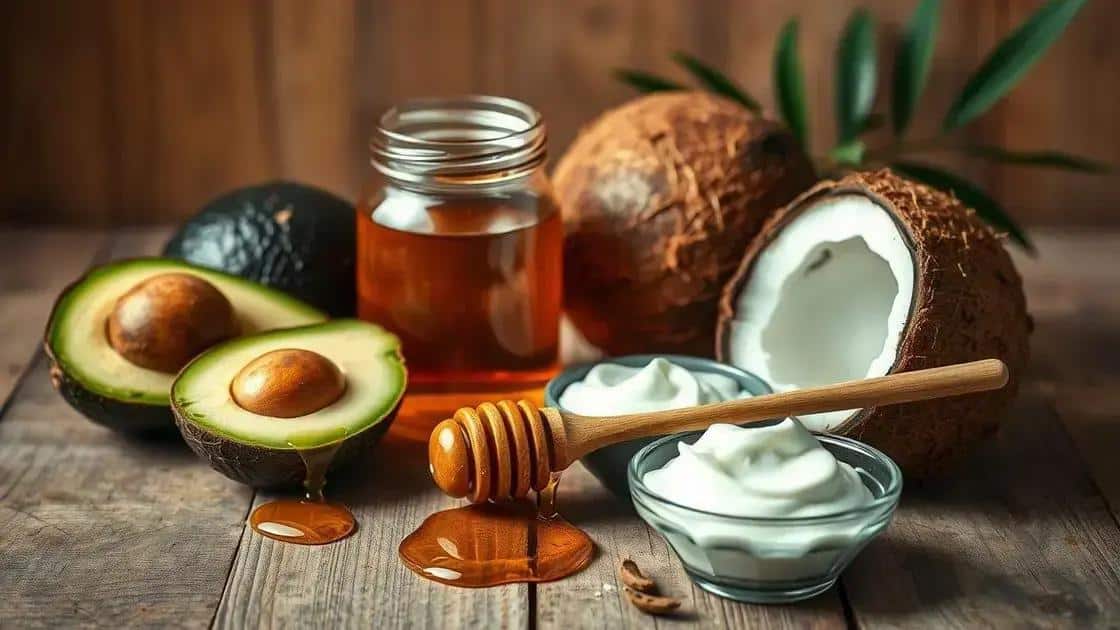
Using natural ingredients for your DIY hair masks can be a game changer for restoring damaged hair. Many everyday items can help nourish and heal your locks.
When you choose ingredients wisely, you can create effective masks that boost hydration and shine. Let’s look at some of the best options.
Popular Natural Ingredients
Here are the top ingredients to consider:
- Avocado: Packed with healthy fats, avocados can deeply moisturize and repair hair.
- Coconut Oil: Known for its nourishing properties, coconut oil penetrates the hair shaft, reducing protein loss.
- Honey: This natural humectant attracts moisture, helping to keep your hair hydrated.
- Yogurt: Full of proteins and vitamins, yogurt strengthens hair and promotes shine.
Additionally, olive oil is a fantastic option that helps to soften and condition hair. Its antioxidant properties also protect your hair from damage. Almond oil is another great choice that adds moisture and enhances shine.
Using a combination of these ingredients can amplify their benefits, creating a rich, nourishing mask. For example, mixing avocado with coconut oil gives you a powerful blend that hydrates and repairs at the same time.
Don’t forget about essential oils like lavender or rosemary, which can invigorate the scalp and promote hair growth. Just a few drops combined with other ingredients can enhance the overall effect of your hair mask.
Step-by-step DIY hair mask recipes
Creating your own DIY hair masks at home is not only fun but also a great way to nourish your hair naturally. Here are some simple recipes you can try.
Avocado and Coconut Oil Mask
This mask is perfect for deep conditioning. To make it, mash one ripe avocado and mix it with two tablespoons of coconut oil. Apply the mixture to damp hair, focusing on the ends. Leave it on for 30 minutes, then rinse well.
Honey and Yogurt Mask
This recipe helps add moisture and shine. Combine three tablespoons of yogurt with one tablespoon of honey. Apply to your hair and let it sit for about 20 minutes. Rinse thoroughly with warm water.
Banana and Olive Oil Mask
Bananas are great for conditioning hair. Blend one ripe banana with two tablespoons of olive oil until smooth. Apply to your hair and leave for 25 minutes. Rinse with cool water.
Oatmeal and Almond Milk Mask
This mask is soothing and perfect for dry hair. Mix half a cup of cooked oatmeal with half a cup of almond milk. Apply to your hair and scalp, letting it sit for 30 minutes before washing it out.
When using these masks, always ensure your hair is clean and slightly damp to help the ingredients penetrate better. Feel free to experiment with different ratios until you find what works best for your hair type.
You can also add essential oils like lavender or peppermint to these recipes for added benefits and a pleasant fragrance.
Tips for applying hair masks effectively
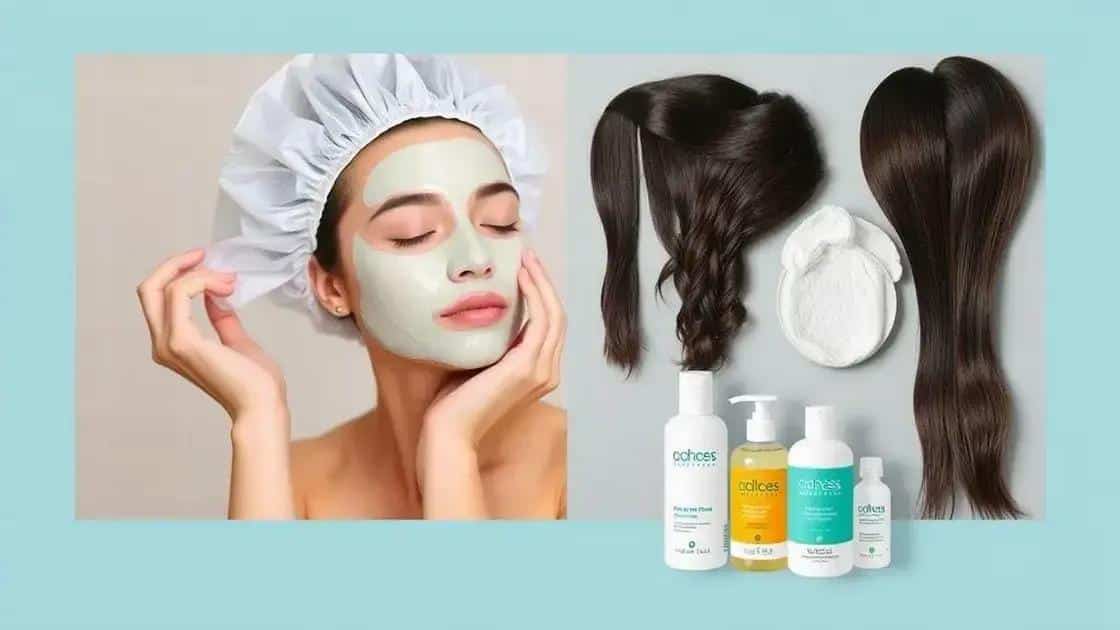
Applying hair masks effectively can make a significant difference in their results. Follow these tips to maximize the benefits of your DIY hair treatments.
First, always start with clean, slightly damp hair. This allows the mask to penetrate better and ensures you gain the full benefits. Avoid applying hair masks on dry hair, as it can make it harder for the nutrients to absorb.
Application Techniques
When applying the mask, section your hair to ensure even coverage. For best results, use these techniques:
- Divide and Conquer: Separate hair into four sections to apply the mask evenly.
- Focus on Ends: Concentrate more product on the ends, where damage is often the worst.
- Use a Comb: A wide-tooth comb can help distribute the mask uniformly.
- Massage: Gently massaging your scalp can stimulate blood flow and improve absorption.
After applying the mask, cover your hair with a shower cap or plastic wrap. This creates a warm environment that helps the ingredients work better. Leaving the mask on for 20 to 60 minutes is ideal, depending on the recipe’s instructions. If you’re using natural oils, longer application times can be beneficial.
Rinse thoroughly with cool water, as hot water can strip moisture away. Follow up with a mild shampoo and conditioner if needed. Also, don’t forget to rinse until the water runs clear to ensure no product buildup remains.
Finally, for an added boost, consider using a heat cap or warm towel around your hair after applying the mask. This extra heat helps to open the hair cuticles wider, enhancing the absorption of beneficial ingredients.
In conclusion, using DIY hair masks can significantly improve the health of your hair. By understanding the causes of damage, utilizing natural ingredients, and knowing how to apply them effectively, you can restore shine and vitality to your locks. With a bit of creativity and experimentation, your hair can look its best without needing expensive salon treatments. Embrace the power of nature for beautiful, healthy hair!
FAQ – Frequently Asked Questions about DIY Hair Masks
What are the benefits of using DIY hair masks?
DIY hair masks provide natural nourishment, hydration, and repair to damaged hair using easily accessible ingredients.
How often should I apply a hair mask?
It’s recommended to use a hair mask once a week for best results, adjusting based on your hair’s needs.
Can I use essential oils in hair masks?
Yes, adding essential oils like lavender or rosemary can enhance the mask’s benefits and promote hair growth.
How do I know which ingredients work for my hair type?
Experiment with different combinations and observe how your hair reacts to find the best ingredients for your specific hair type.